


Where to Splurge, Where to Save: A Travel Advisor’s Guide to Spending with Intention
Most travel budgeting advice treats every dollar the same. Knowing where to splurge and save on a trip starts with seeing that they’re not equal.
If you read my prior blog post, When to Book, and Why “Wait and See” Rarely Pays Off, you already know when to lock in a trip. This one is about what to do with the budget once you have committed to travel.
I plan trips the same way I build a scrapbook page, with intention, no wasted space, and always room for the moment that makes the whole thing worth it. Budgeting works the same way. Some expenses are the memory. Others are just the logistics that get you there.
One structural principle sits underneath all of this: I build every itinerary around one anchoring moment a day. That doesn’t have to mean private, and it doesn’t have to mean expensive. A home-cooked meal with a local family, a specific viewpoint at sunset, or a museum you show up early for before the crowds all qualify.
It just means each day orbits around one thing, instead of a packed list of stops that blur together by the time you’re home. When there is a splurge, this is usually where it belongs: concentrated into the one moment that earns the day its place in the story, not spread thin across five so-so add-ons.
That doesn’t mean a rigid schedule, and it doesn’t mean the anchor is the only thing you do that day. It means the day has a clear center of gravity, with plenty of room left for the surprises and discoveries you stumble into on your own.

Splurge on the things that become the memory-anchor
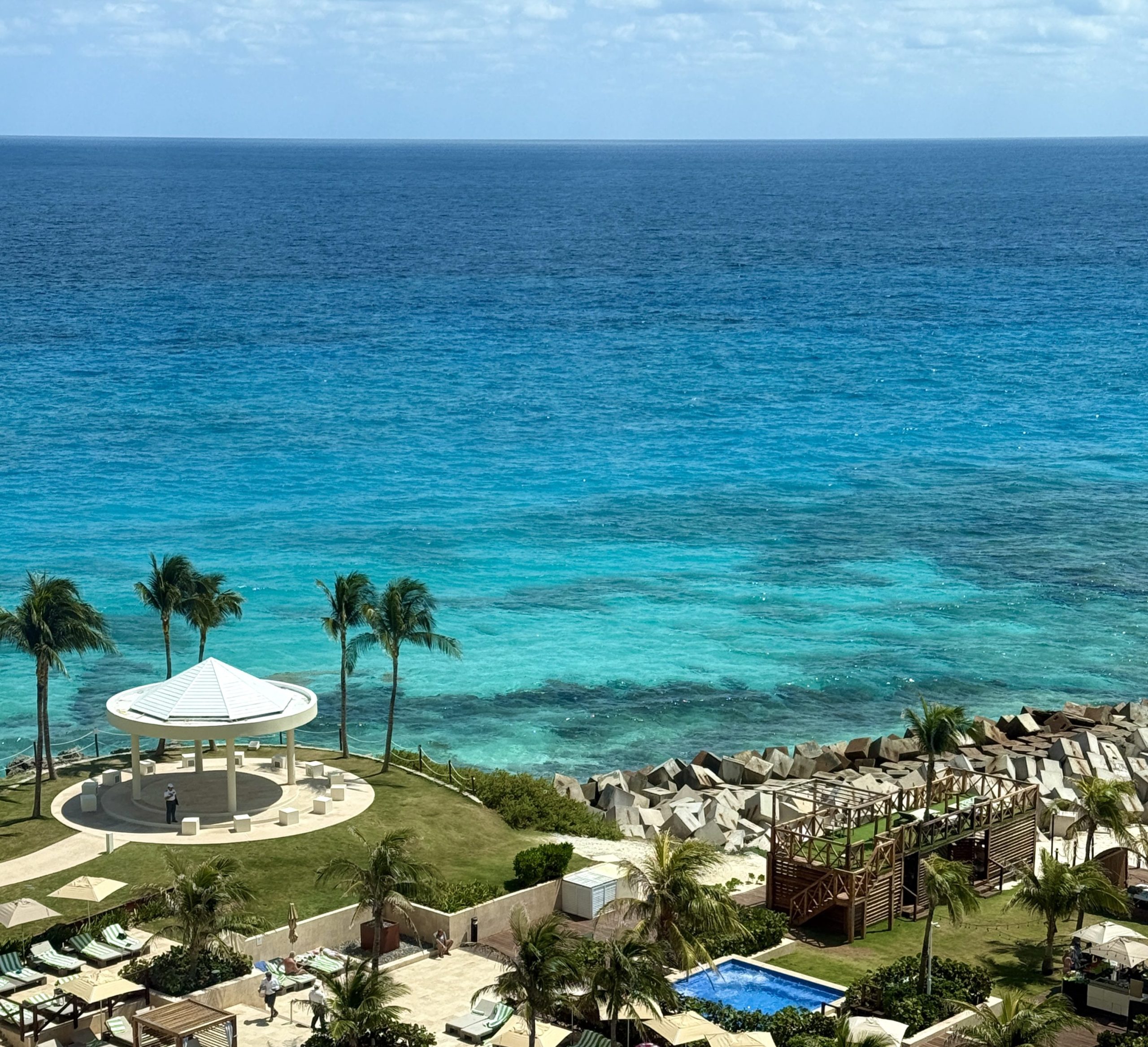
- The room with the view, but only when the view is the once-in-a-lifetime experience: the Amalfi Coast, a room looking out at the Eiffel Tower, an overwater bungalow in Bora Bora. That’s worth every dollar, because you’ll spend real time in it and it shows up in every photo you take getting ready for dinner. It’s not worth the upgrade for the airport hotel the night before your flight. That room’s only job is to get you through a few hours of sleep, not to be part of the memory.
- One exceptional experience a day, as the anchoring moment that day revolves around. Think a private guide through the Acropolis, a sunset sail in the lagoons of Bora Bora, or a cooking class with a local Italian family.
- Private day trips with a driver, especially once you’re traveling with three or more people. Split three or four ways, the cost is often close to what you’d have paid for taxis and tickets separately, minus the logistics headache.
- Travel insurance. It’s the least glamorous line item on this list, and it’s tempting to skip, but it’s the one splurge that protects every other splurge here. Everything else assumes the trip goes as planned, and insurance is what’s there when it doesn’t, particularly when you consider that traveling without accident and health insurance abroad carries significant financial risk.
- A one-time professional photo session in destination, an underrated memory-anchor. You’ll come home with photos of yourself actually in the moment, not just the ones you took of the view.
- Anything that only happens there. You can’t recreate a candlelit dinner over the Santorini caldera back home, or repeat the Na Pali Coast sunset dinner cruise. Skip the rental car you’d only use twice and take the resort shuttle into town.
Splurge or Save: Arrival vs. Departure Transfers
Arrival transfers are worth the splurge almost every time: a private driver who’s actually tracking your flight, standing there when you land, bags handled and ready to go. After a long travel day, that’s not a luxury. It’s the difference between starting the trip relaxed and starting it frazzled.
Departure transfers, on the other hand, are usually a save. I typically recommend booking those once you’re in destination, through your hotel or resort concierge, rather than pre-booking from home. It’s often a little cheaper, and concierges tend to work with preferred local suppliers they already trust, so you’re not gambling on an unfamiliar company. The exceptions are the Mexican Caribbean, complicated logistics (multiple stops, an odd departure hour), or a genuinely long or remote transfer. In those cases, lock in the same private, vetted return arrangement in advance rather than leaving it to chance.
Skip entirely: unofficial taxis or unmarked drivers looking for a fare in the arrivals hall. The “savings” are rarely real once you’re negotiating a price on the spot, and it’s not where I want a tired traveler’s first decision in a new country to be. Also skip the multi-stop shared shuttle that circles to several other hotels before yours. The per-person discount rarely makes up for tacking 45 minutes or more onto a travel day you already spent in an airplane seat.
Splurge or Save: Private vs. Small-Group Tours
A private guide is worth the splurge once you’re traveling with three or four people or more. The per-person cost splits down close to what a small-group tour would run anyway, and the entire day gets built around your group instead of someone else’s. It’s also worth it any time you have unique interests and want the day built entirely around your own customization.
Small-group tours are the save. They work when pacing matters less to you, or when the itinerary suits you as written. They also fit solo travelers who would rather share the day than pay the private premium alone.
Skip entirely: large bus tours and hop-on/hop-off routes. They trade away exactly what makes a trip feel personal. You’re herded through stops on someone else’s schedule, with none of the depth a private guide offers or the camaraderie a well-chosen small group can have.

Splurge or Save: Is Premium Economy Worth It?
If time is the scarce resource, say on a 7 to 9 day Europe trip, splurging on premium economy or business class, budget permitting, does real math. Arriving rested means every one of those limited days is actually usable, instead of losing the first day or more to jet lag recovery. When you can’t buy back the days, it’s worth paying to protect the ones you have.
If you have more time to work with (or you can sleep in economy, which, admittedly, took me years to train my body to do), this is a legitimate place to save instead. Fly economy, and build an extra day into the front end of the trip to recover before diving into the itinerary. You end up in the same place, arriving ready to go. You’re just paying for it with your time and an extra hotel night.
Skip entirely: “basic economy” or other heavily restricted fares. The sticker price looks like a save, but blocked seat selection, no free changes, and last-group boarding usually cost more in stress, and sometimes in add-on fees once you account for a bag, than they actually save.
Where to save: What Doesn’t Change How the Trip Feels
- Entry-level room categories at properties where the room itself isn’t the draw. You’re not spending your trip staring at the minibar.
- A meal or two built around casual, local spots instead of every dinner being a reservation.
The test I use with clients: will you remember this specific choice a year from now? If yes, that’s where the budget goes. If the honest answer is “no, I’ll just remember I was there,” that’s your save.

Timing and spending aren’t two decisions, they’re one
Timing and budget aren’t really two separate decisions. They’re the same decision seen from two angles and treating them separately is how trips go wrong on both ends.
Booking early without a clear sense of the experience you actually want, and what it really costs, just means you’ve locked in dates before figuring out what the trip is actually for. And a well-planned splurge-vs-save budget on a trip you booked too late still means settling for whatever’s left, no matter how thoughtfully you spend it. The two have to work together: timing, covered in When to Book, and Why “Wait and See” Rarely Pays Off, is what gives you room to be intentional. The splurge-vs-save mindset is what you actually do with that room once you have it.
That’s really the whole philosophy behind how I plan trips: not spend more, not spend less, but spend on purpose, early enough that it’s still a choice you get to make instead of a scramble. It’s also why the first thing I do on a discovery call isn’t talk about budget. It’s getting to know you as a person and as a traveler, because the right trade-offs only make sense once I understand what you’re actually hoping to feel when you get there.
Get the timing and the spending right, together, and you don’t just come home with good photos. You come home different.
Not sure which parts of your budget deserve the splurge? That’s exactly the kind of thing a planning call is for. Reach out to WonderCrafted Travel and let’s build your trip with intention from day one.