


When to Book, and Why “Wait and See” Rarely Pays Off
A WonderCrafted Travel guide to planning with intention.
Every trip has a money question hiding underneath the fun ones. It’s not “What’s your budget?” That’s the question a lot of advisors, and a lot of clients, start with, and sure, it matters. But the question that actually drives your options is this: how far out do you actually need to book your trip to get the experience you want?
On every discovery call, I’m focused on understanding the client as a person and as a traveler: their desired experience, their planned timing, and their planned destination. When there’s runway to work with, that’s what lets me optimize the booking timeline around their unique situation instead of a generic template. When there isn’t, when someone comes to me already inside a short window, the job shifts. It’s less about optimizing and more about calibrating: telling them honestly what’s still realistically possible, and building the best version of their trip within the time we actually have.
So let’s answer the timing question properly. A well-timed booking does more for a trip than any amount of extra spending ever will. (Once your timing is set, the next decision is where to spend and where to save. I’ll cover that in a follow-up post soon.)
When to Book Your Trip Depends on What You’re Booking
This is the part that trips people up. The internet loves a blanket rule (“always book flights on a Tuesday,” “book 6 months out”), but the right window depends entirely on what you’re booking. Here’s how I actually time it for the trips I plan most.
Cruises, Especially Theme, Group, or River Cruises
Book 18–24 months in advance. For river cruises specifically, the right time to book is the moment a sailing opens. Christmas market river cruises are the clearest example I point clients to. These ships carry a fraction of the passengers an ocean ship does, demand for the specific December sailing dates is intense, and cruise lines routinely report a large share of next year’s Christmas-market departures booked before the current season has even wrapped. If one of these is on your list, there often isn’t a “wait and see” window; the booking window basically starts the day it’s released.
Theme and Group Cruises Move Just As Fast
The same logic, just slightly less extreme, applies to themed or group cruises generally. I book the second a sailing releases, not only to lock in the lowest group fare and block before it climbs, but because that’s how I secure meeting and event space for a group with intention instead of scrambling for whatever’s left over. On a group cruise, like the crafting cruise I’m currently coordinating, cabin availability, group block space, and onboard meeting space all disappear quickly.

Exotic and once-in-a-lifetime destinations (Bora Bora, Maldives, Fiji, Seychelles, African safari lodges)
Start tracking 10–14 months out, expect the room itself to lock closer to 12. This one works a little differently than the rest of the list. Most of these properties don’t open their own booking calendars any earlier than everywhere else, so the room typically doesn’t formally lock in until you’re inside 12 months. What changes at 10–14 months out is everything around the room: this is when I start monitoring availability, positioning you for the limited weekly flights (French Polynesia and the Maldives run a fraction of the daily frequency you’d have flying into a major hub), and getting you on the list for capped allocations like gorilla trekking permits, which are handed out as much as a year ahead.
Why The Risk Isn’t Price – It’s Availability
The best overwater bungalow resorts often have only a few dozen units total, so the moment the calendar opens, the travelers who were already tracking and positioned are the ones who get first crack at them. Starting early matters even before the “book” button is technically live, because the real risk here isn’t a worse rate. It’s the trip not being possible on your dates at all.
Europe (particularly Greece, and cities that are not major hubs or capitals)
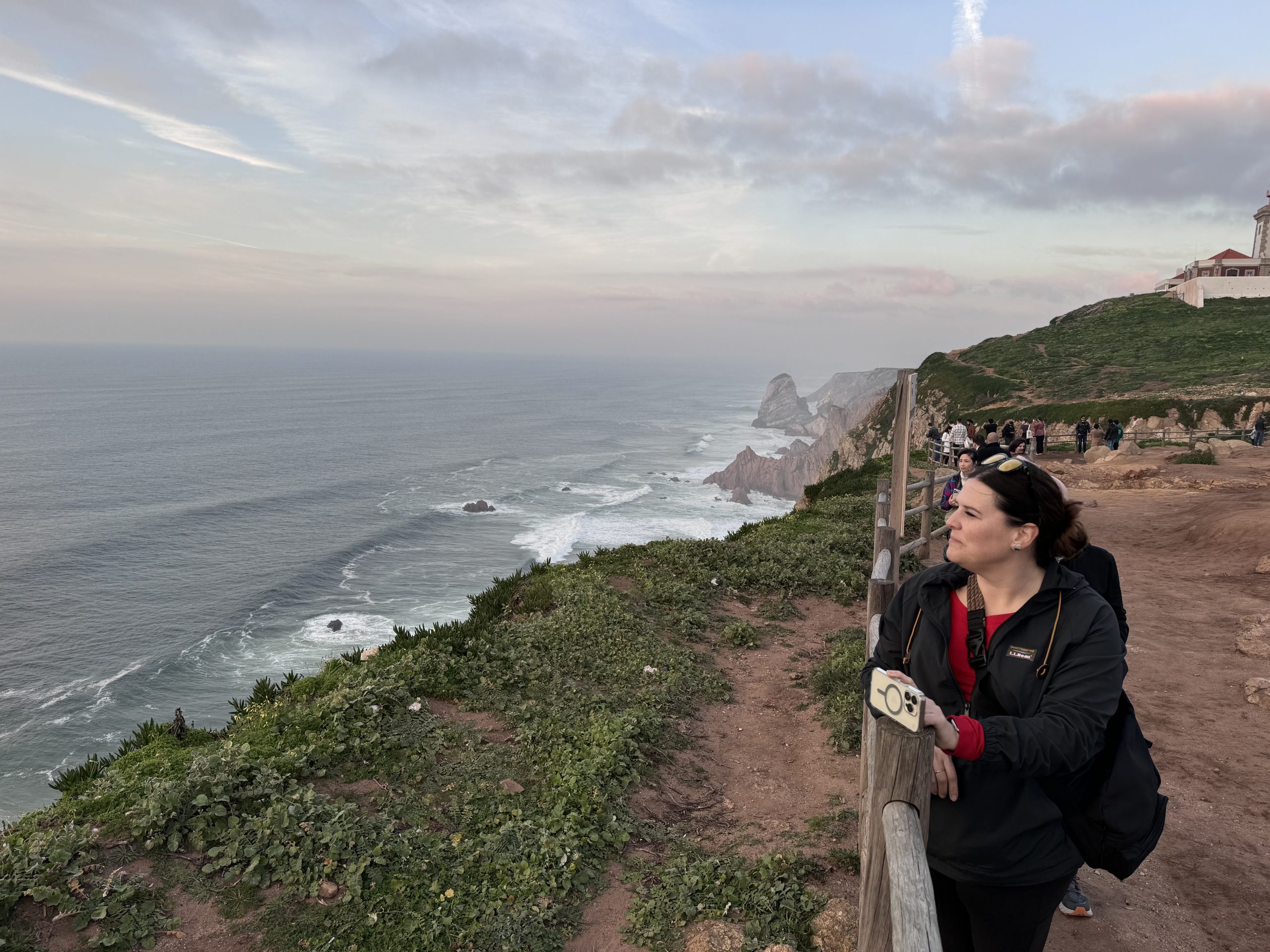
Book 9–12 months out. This isn’t just about airfare. It’s about locking in the boutique hotels and small-group experiences that make a trip feel curated instead of cookie-cutter. The properties I love in Tuscany, Bruges, or the Greek Islands have dozens of rooms, not five hundred, and they sell out early for a reason: they can’t just add inventory when demand spikes. If your Europe trip centers on a major capital and a big international chain, you have more flexibility. If your Europe trip is built around the kind of small, specific places that make it feel like yours instead of a highlight reel everyone else has, I start locking those pieces in 9 to 12 months out. Summer travel needs the earlier end of that window, while shoulder-season trips (spring, early fall) have a bit more give.
Hawaii
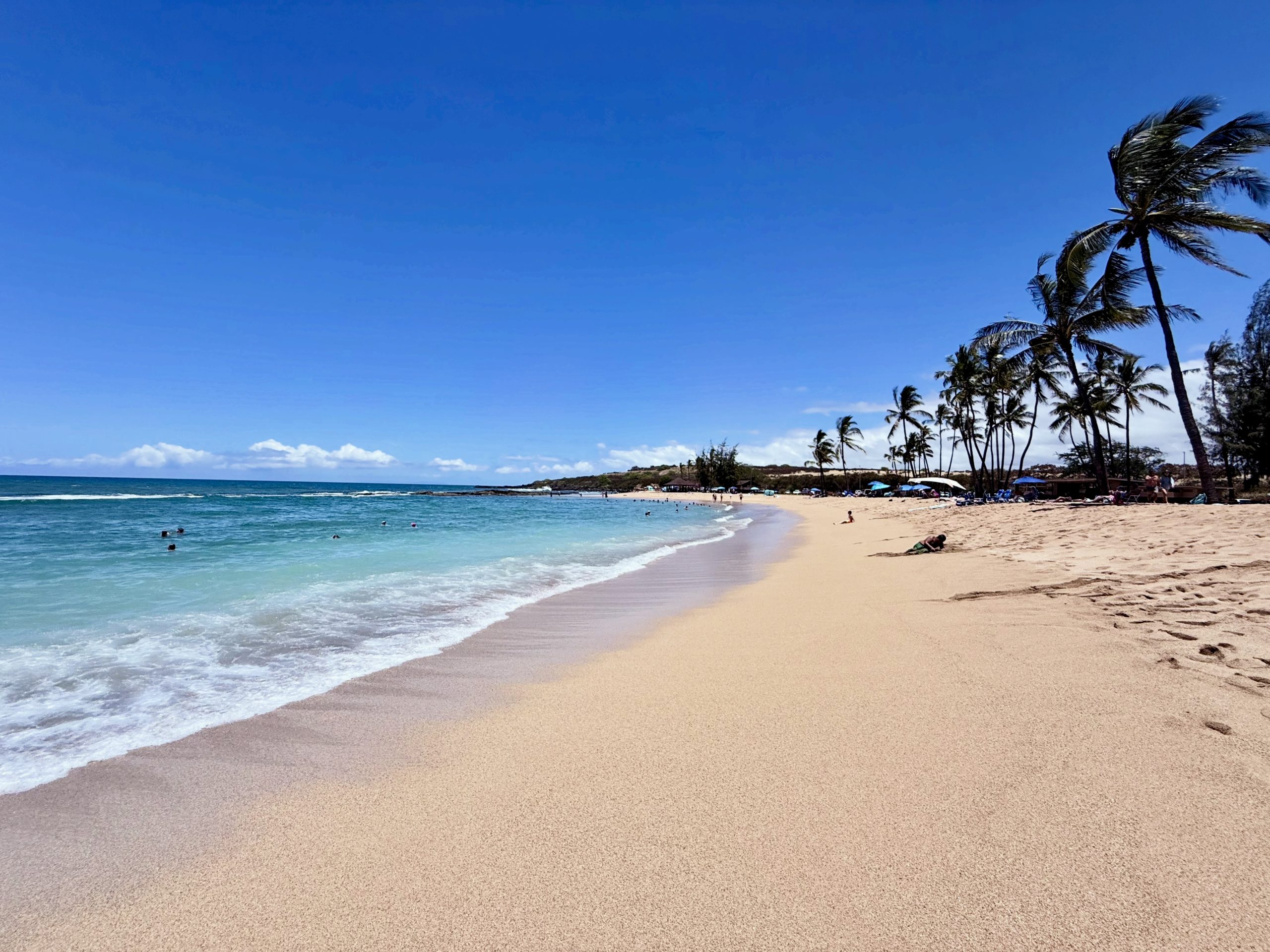
Book 10–12 months out for peak season (summer, school breaks, and winter holidays). Hawaii doesn’t discount its way into becoming a last-minute deal, and the reasons are structural, not just demand. It’s a closed island chain with a genuinely finite room count, no new resort is opening next month to absorb overflow, and inter island flights run limited schedules on a small number of carriers, so once those seats and rooms are gone for your dates, they’re gone.
Family-Sized Rooms Disappear First
Family-sized inventory is where this bites hardest. Oceanfront rooms and true two-bedroom villas or family suites that comfortably sleep four to six are a small fraction of total resort inventory, and they’re the first category to disappear for summer and winter break, often before the resort’s own website even shows it as sold out, because advisors and repeat guests have already claimed the block. Winter holidays add another layer: many properties require higher deposits and have stricter cancellation policies for peak-season stays, so booking early also means locking in today’s terms before they tighten closer to the date. Waiting rarely saves you money. It mostly just narrows your options down to whatever room category and flight time is left, which is usually not the one you wanted.
Mexican Caribbean resorts
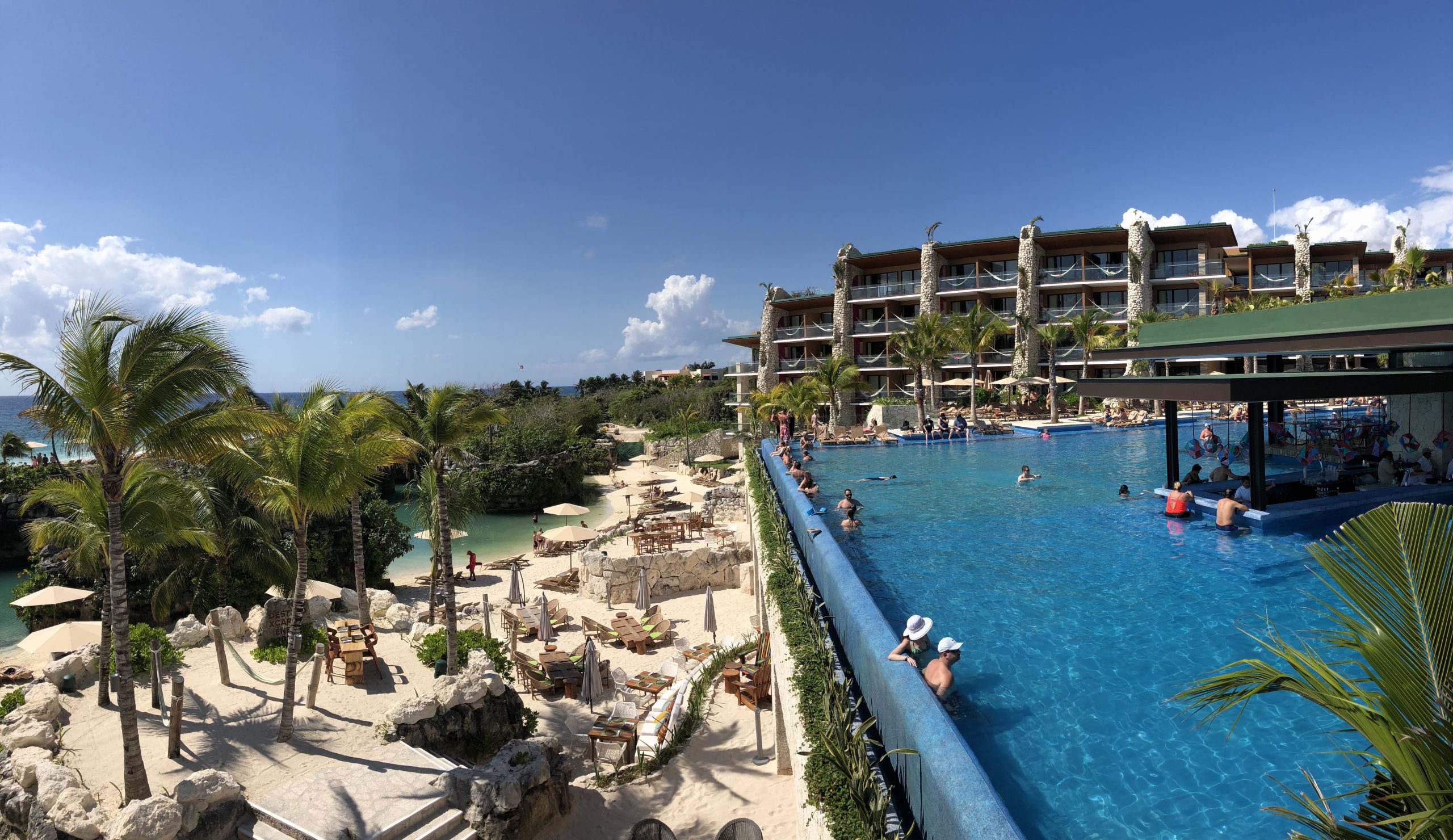
Book 5–8 months in advance for most travel, but push that to 9–12 months if you’re traveling over a holiday week, school break, or coordinating a small group, and to 15–18 months or more for a large group planning a shared celebration like a wedding or family reunion.
This region has real depth of inventory across Cancun, Riviera Maya, and beyond, which is exactly why the baseline window is shorter than Europe or Hawaii, but that inventory isn’t unlimited or uniform across the resort. Swim-up suites, adults-only sections within family resorts, and rooms with a real ocean view rather than a garden or parking-lot view sell out well before the resort itself shows as full.
The Weeks That Sell Out Fastest
Spring break, Christmas and New Year’s week, and Semana Santa (the week before Easter, a major travel period for Mexican and Latin American families) are the three windows where I push clients hardest to book early, because those weeks fill with both international and domestic travelers at once. If you care about a family room that truly accommodates your family comfortably (meaning connecting rooms, a room that actually sleeps five without someone on a rollaway, or a swim-up suite for the value it adds to a week with kids), you’ll want to shop early. Wait until three or four months out for one of those weeks, and you’ll likely still find a resort with availability. You’ll just be choosing from whatever’s left rather than the room that fits your family the way you pictured it.
The scoop on flights
Flights typically aren’t even bookable until roughly 11 months out. That’s about as far as most airlines release their schedules and fares, and some hotels work the same way, keeping their booking calendars closed until close to a year out. So “just book it now” doesn’t always work literally; sometimes the thing you want isn’t for sale yet. Tracking exactly when each piece of a trip opens for booking, and when to start positioning for it even earlier, is a genuinely underrated reason to work with an advisor, not just for handling the booking itself, but so you’re never the one stuck guessing when to check back.
The through-line: the more curated or in-demand the experience, and the larger your traveling party, the earlier it needs your attention. If your trip depends on flexibility (a big resort with hundreds of rooms, off-peak dates), you have more room to wait. If it depends on something specific and small, start moving on it like you mean it. It’s the difference between “I went there” and “I experienced it.”
There’s no such thing as the “right” time to book
People ask me constantly whether now is a good time to book, as if there’s a secret window when prices dip and everyone should hold out for it. Here’s the honest answer: prices can drop after you book. They can also climb, sell out, or the exact room or cabin you wanted can simply disappear while you’re waiting to see what happens. There’s no reliable signal telling you which one is coming. (Trust me, if I knew how to time this, I’d be rich!)
So the right time to book isn’t a date on a pricing chart. It’s the moment you’re actually ready, meaning you’ve committed to going, to these dates, to this trip. Waiting for a better deal that may or may not show up just means gambling with availability you already know you want. Book when you’re committed, not when you’re hoping the price moves in your favor.
What if you don’t have that much time?
If you’re reading this three months before you want to travel, take a breath. Most of the trips I plan don’t start eighteen months out, and a shorter runway does not mean a bad trip. It means a different set of options, and my job on a short-timeline discovery call is different too: instead of optimizing everything around a long runway, I’m calibrating, telling you honestly what’s still realistically available for your dates, and building the best possible version of your trip inside the time we actually have.
Some categories flex more than others. All-inclusive resorts in the Mexican Caribbean, a flexible-dates Hawaii trip outside peak season, or a European itinerary built around cities and dates with more room to move, these can often still come together beautifully inside a few months. Fixed, scarce inventory gets harder to book fast — think a specific Christmas market sailing, a particular overwater bungalow category, a gorilla trekking permit, or a group cruise block Those may mean adjusting the dates, the property, or the specific experience rather than the destination itself.
Either way, a short timeline is a reason to get on a call sooner, not a reason to assume the trip is off the table.
Timing is the foundation, not the finish line
Booking early doesn’t guarantee a great trip. It guarantees you have options: the room with the view, the small ship, the guide who builds the day around your interests instead of someone else’s itinerary. What you do with those options, where the budget goes and where it doesn’t, is its own decision, one I’ll walk through in an upcoming post, Where to Splurge, Where to Save.
That’s really the whole philosophy behind how I plan trips: timing gets you the option to be intentional. What you do with that option is next.
Not sure when to book your trip? That’s exactly the kind of thing a planning call is for. Reach out to WonderCrafted Travel and let’s build your trip with intention from day one.